
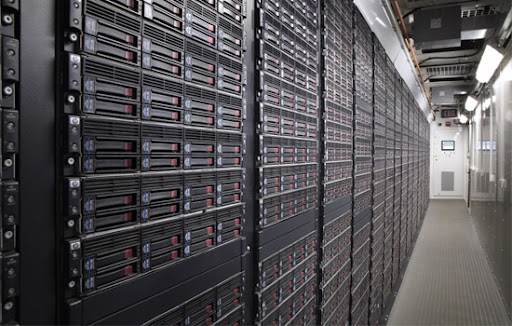
A server is a specialized computer system or software program designed to provide services, resources, or data to other computers or devices within a network. Essentially, it's a central hub that fulfills requests from client devices, such as computers, smartphones, or other servers, and delivers the requested information or services over the network.Servers can be physical machines or virtual instances running on a host server. They typically run specialized operating systems optimized for server tasks, such as various Linux distributions (e.g., Ubuntu Server, CentOS, Red Hat Enterprise Linux) or Windows Server.
1.Network Connectivity: Servers have multiple network interfaces (Ethernet ports) for connecting to the local network and the internet. They may support high-speed Ethernet standards like Gigabit Ethernet or 10 Gigabit Ethernet for fast data transfer rates.
2.Server Software: Servers run various software applications and services to fulfill specific roles within a network, such as web servers (e.g., Apache, Nginx), database servers (e.g., MySQL, PostgreSQL, Microsoft SQL Server), file servers (e.g., Samba, NFS), email servers (e.g., Postfix, Exchange Server), and more.
3.Power Efficiency and Cooling: Servers are optimized for power efficiency and may incorporate energy-saving features like low-power processors, efficient power supplies, and dynamic cooling systems to maintain optimal operating temperatures.
4.Virtualization Support: Many modern servers support virtualization technologies like VMware vSphere, Microsoft Hyper-V, or open-source solutions like KVM and Xen. Virtualization enables multiple virtual machines (VMs) to run on a single physical server, maximizing resource utilization and flexibility.
5.Storage: Servers use various storage technologies, including Hard Disk Drives (HDDs), Solid State Drives (SSDs), and increasingly, NVMe SSDs for faster access to data. Storage capacity and redundancy (RAID configurations) are crucial for data integrity and availability.
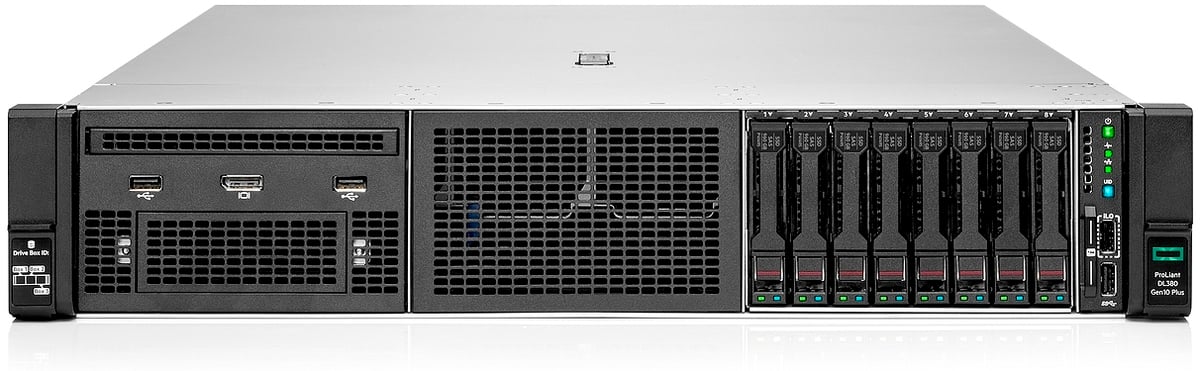 slide one
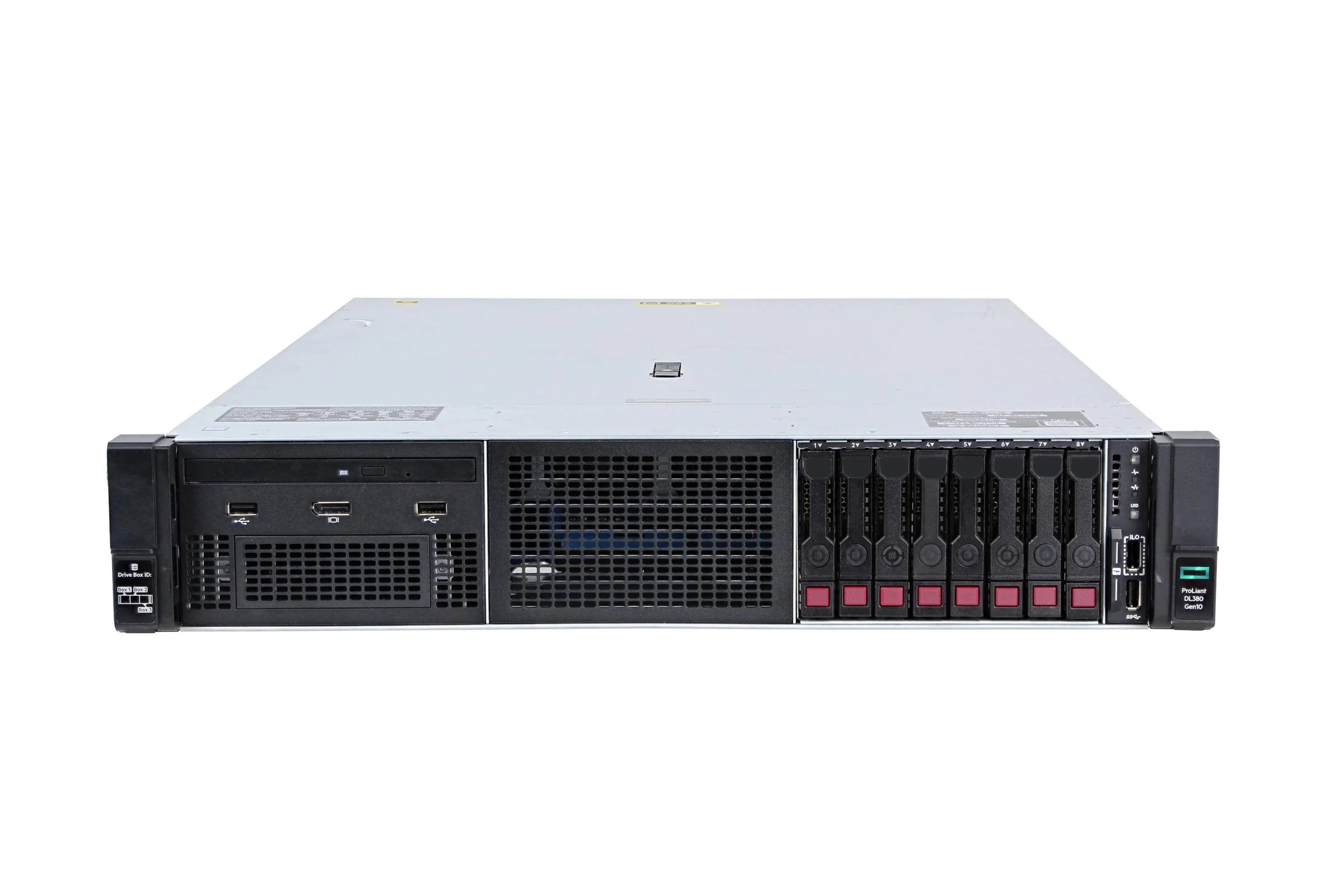 slide two
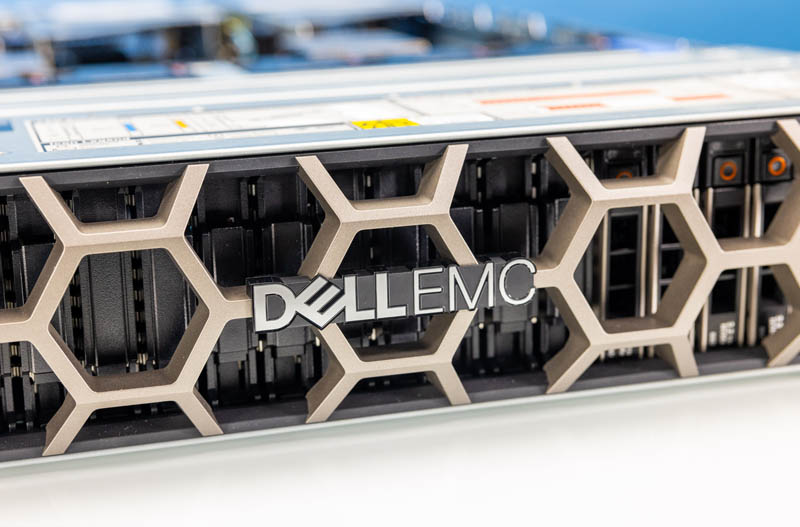 slide three
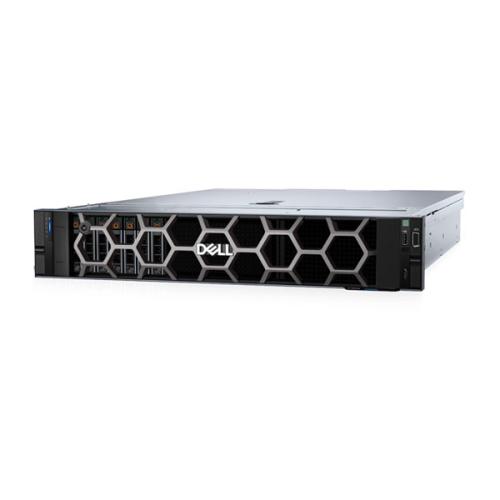 slide four
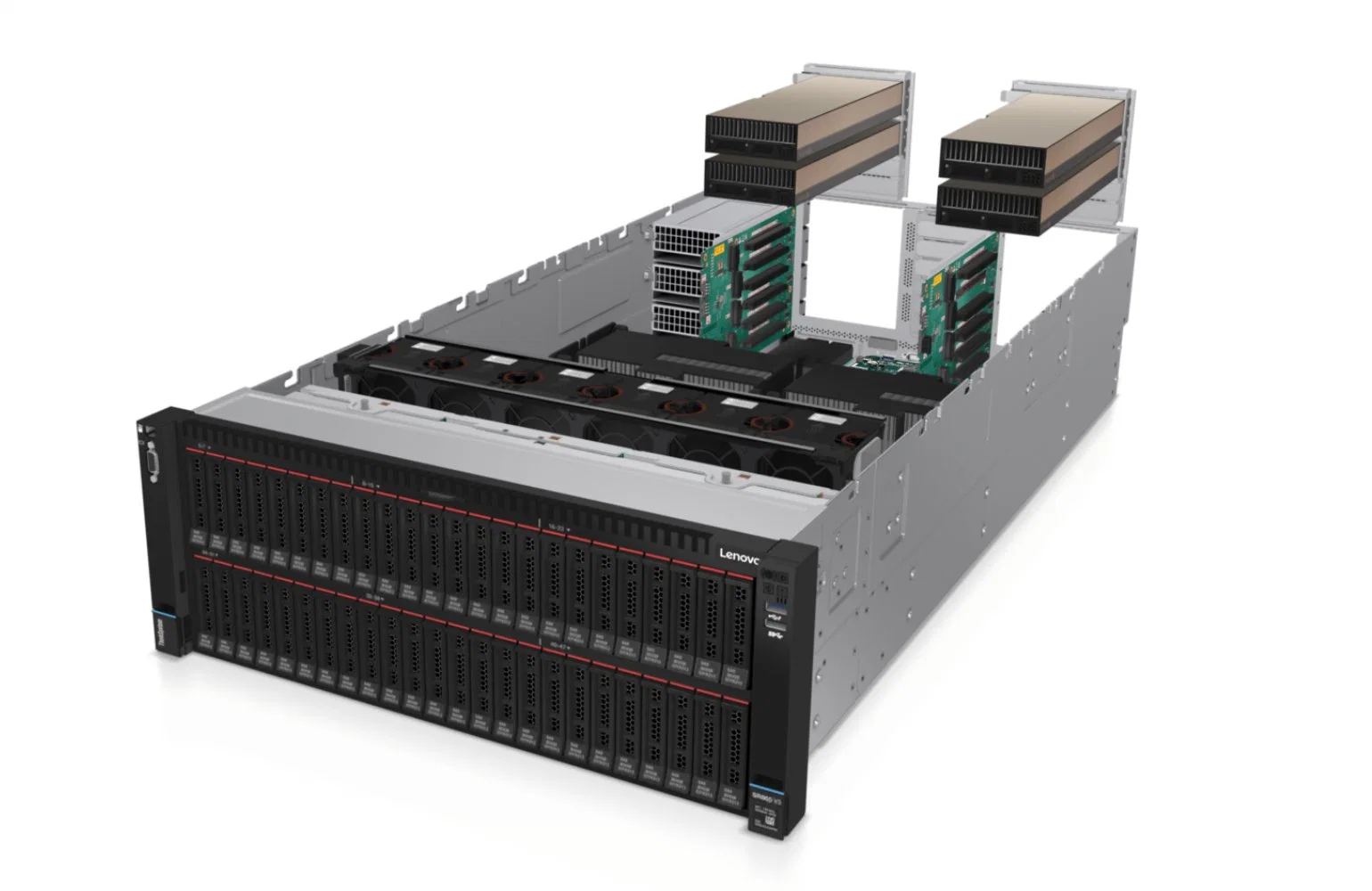 slide five