


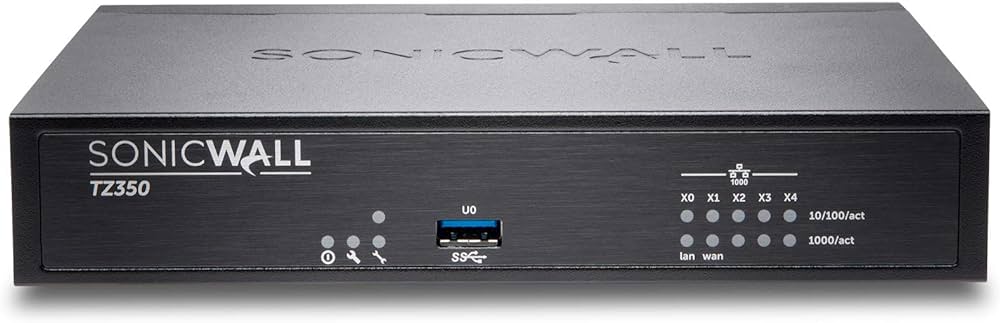
A firewall is a network security device or software application that monitors and controls incoming and outgoing network traffic based on predetermined security rules. It acts as a barrier between a trusted internal network and untrusted external networks (such as the internet), allowing or blocking traffic based on defined criteria to protect against unauthorized access, cyber threats, and malicious activities.Firewalls play a crucial role in network security by helping organizations establish a secure perimeter, control access to network resources, and mitigate the risk of cyber threats such as unauthorized access, malware infections, data breaches, and denial-of-service (DoS) attacks.
1.Packet Filtering: Firewalls inspect individual packets of data as they pass through the network and allow or block them based on predefined rules. Packet filtering can be based on criteria such as source and destination IP addresses, port numbers, and protocols.
2.Application Layer Filtering: Firewalls can analyze the contents of network packets at the application layer (Layer 7 of the OSI model) to identify and block specific types of traffic or enforce application-specific security policies. This includes filtering based on application protocols such as HTTP, FTP, DNS, and SMTP..
3.Network Address Translation (NAT): Firewalls often include NAT functionality to translate private IP addresses used within an internal network to a single public IP address when communicating with external networks. NAT helps conceal internal network topology and conserves public IP addresses.
4.Virtual Private Network (VPN) Support: Many firewalls support VPN technologies to establish secure encrypted tunnels for remote access or site-to-site connectivity. VPN capabilities allow authorized users to securely access internal network resources from remote locations over the internet.
5.User Authentication and Access Control: Firewalls can enforce user authentication and access control policies to restrict network access based on user identity, group membership, or other attributes. This helps prevent unauthorized users from accessing sensitive resources or data.
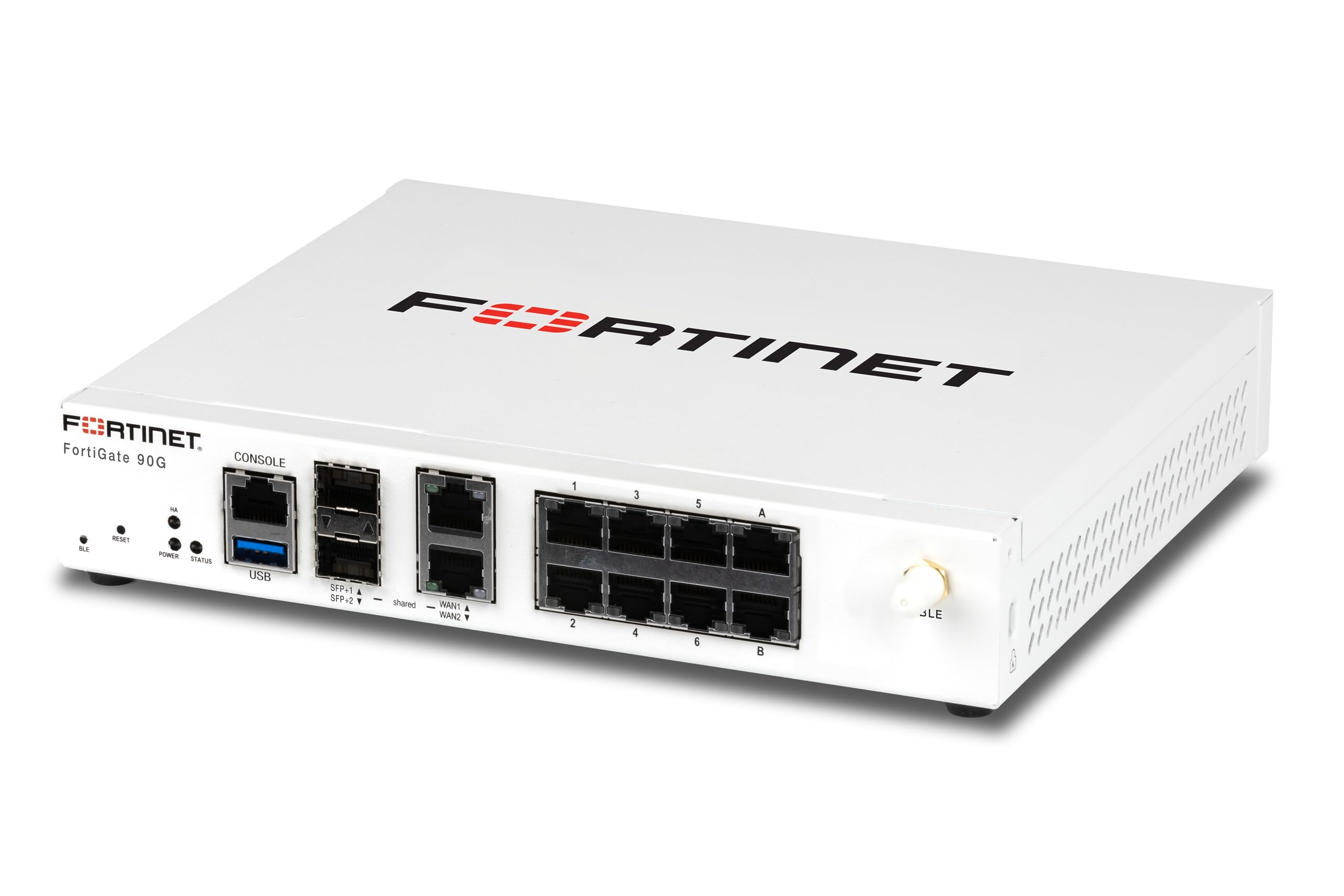 slide one
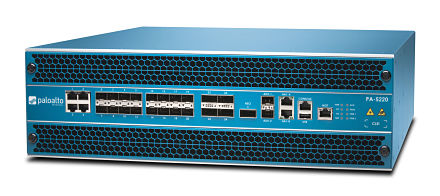 slide two
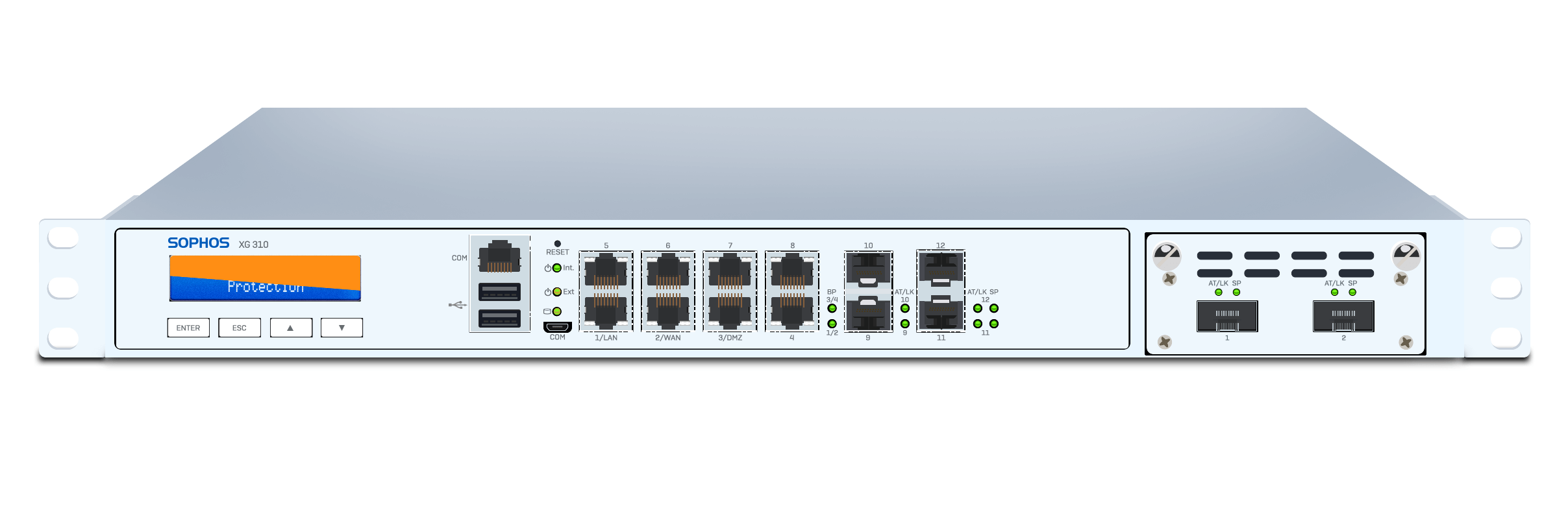 slide three
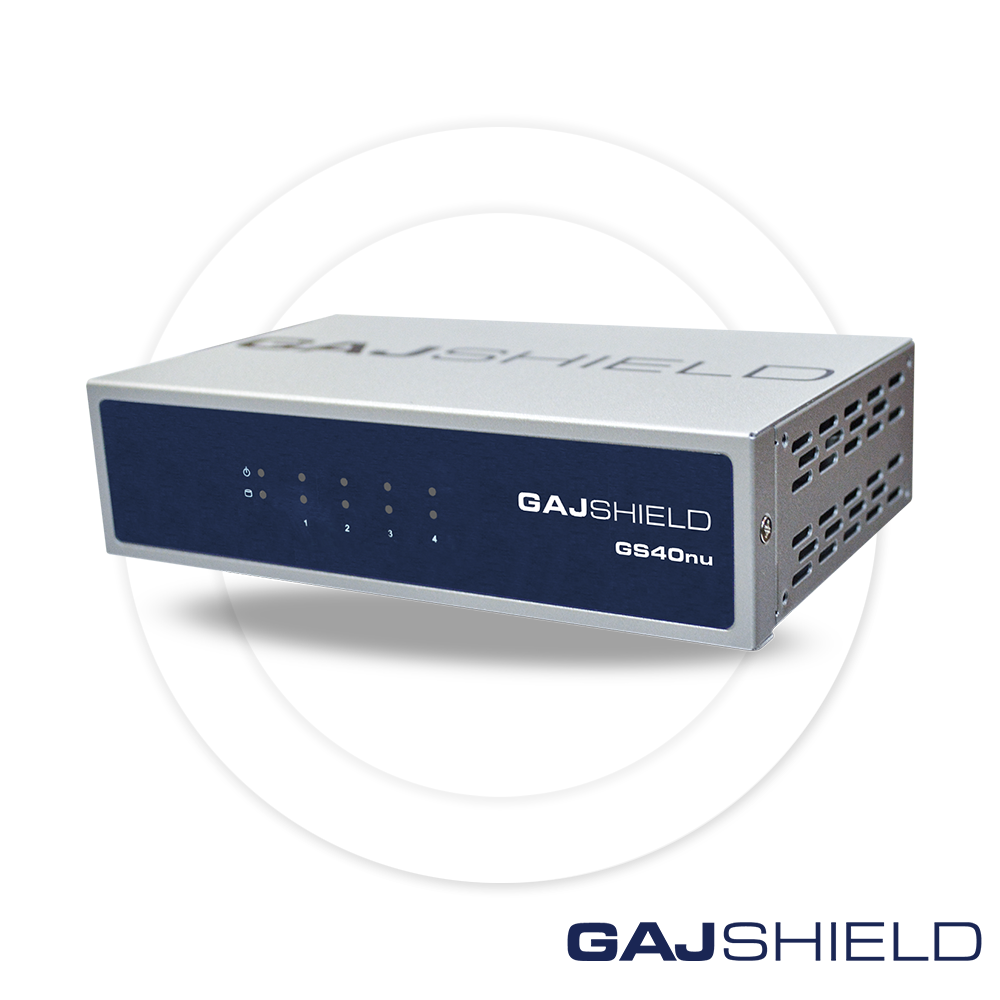 slide four
 slide five